Wildlife Gardening
Home Page

Wildlife Gardening - Tips for a Greener Garden

Wildlife in your garden

10 Tips for a GREENER garden

In some instances wildlife in the garden can help by ridding you of another pest however on the other hand some pests can be a major annoyance which can ruin crops, flowers and lawns. Pest control companies which use pest removal methods not involving pesticides, poisons and chemicals are recommended by Ivel Valey due to their green and environmentally friendly approach.

Once pest are in control, you will definitely want to relax in your garden to admire all your hard work. Ivel and Ouse frequently recommends high quality garden benches made out of natural products such as wood, stone, concrete mixture, or even wicker reed. In addition, aluminum garden benches are light weight, comfortable pieces of outdoor furniture.

One of the great investments one can make in the garden is that of installing quality teak sets which can often be cost effective over the long term as this is durable and lasting.

Rather than purchasing plastic and non-environmentally friendly furniture for your garden you should add a lifetime investment in quality and sustainable timber furniture like handmade solid Oak Furniture makers based in Lincolnshire UK. Oak can enhance any part of your garden and keep the natural feel and look in unison after all your hard work on the trees, shrubs and flowers in your garden.

Wildlife should stay in the garden i.e. you shouldn’t try and catch animals and keep them as pets; dogs, cats, hamsters etc are much more suitable. To maintain animal health a Nottingham vet should be used. People forget the amount of care and attention involved in owning a pet, this should not be overlooked and always considered when thinking about pet ownership.

The garden is the usual place where pets do their number ones and twos; however some urine can have a negative effect on the life in your garden. Using dog training or puppy training Leicester can be beneficial by providing help, advice and guidance on how you can train your dog or puppy to do their ‘business’ in an area which you choose.

  1. Instead of using peat to plant shrubs in the garden, use J Arthur Bowers 'Mulch and Mix', or other peat-free alternatives.
  2. Cut down on spraying - plant companion plants like marigolds with carrots to deter carrot fly.
  3. If you must spray, use more natural products such as 'Naturen' which contains rape seed oil rather than insecticides which can have a disasterous effect on the rest of the food chain.
  4. Stop using slug pellets, use products like 'Growing success' which contain aluminium sulphate. This will take care of the slugs without harming the birds and hedgehogs that feed on them. Better still, encourage more birds and hedgehogs into your garden!
  5. Set aside an area of the garden and plant wildflowers only. Buy plants and seeds from reputable garden centres that obtain them from cultivated sources.
  6. DO NOT TAKE FLOWERS OR SEED FROM THE WILD. Many are protected under the Wildlife and Countryside Act 1981, but all should be left for everyone to enjoy. Equally, do not introduce plants into the wild, some plants can quickly disturb the natural balance and it is illegal to do so.
  7. To reduce watering, cover the ground with 4 inches (100mm) bark chippings. This will also cut down on weeding required.
  8. To prevent squirrels digging up bulbs, cover them with wire mesh before covering with soil.
  9. Tidy up borders in spring as deadheads and leaves can provide food and shelter through the winter.
  10. Trim hedges in the autumn or winter, after all the berries are eaten.

Things you can do for wildlife in your garden

Long grass - leave an area to grow long, cut at hay time (June-July) and again in late Autumn (October-November). Always remove cuttings. You'll be surprised at what plants come up and the area will soon be buzzing with insects.

Log and stick piles - attract mini beasts, the basis of the garden food chain.

Water butt - save water to top up the pond or water the borders

Rockery - provides shelter for amphibians out of water

Pond and marsh - the best way to attract new species into the garden. Maintain in autumn.

Trees and shrubs - choose those that give cover for nesting, nectar for insects and seeds or berries for birds. Evergreens give cover throughout the year.

Bird and bat boxes - provide places for nesting and for shelter

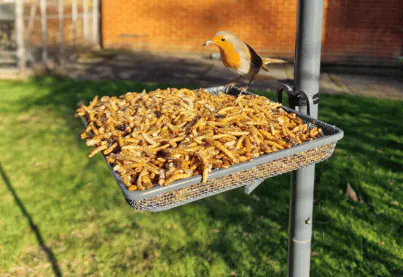
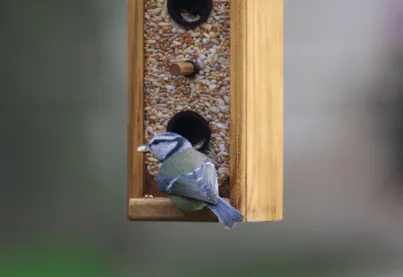
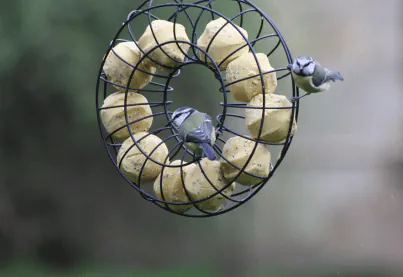
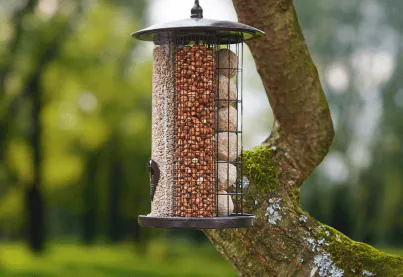
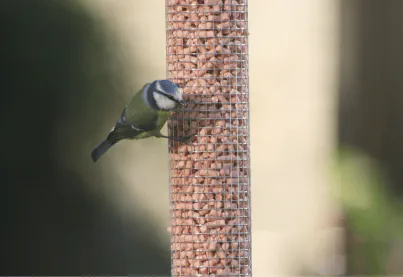
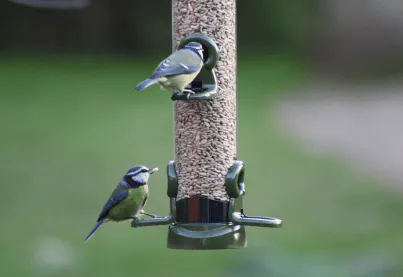
Bird table - make sure it is well stocked throughout the year, but no whole peanuts in the spring and summer, as young birds can choke on them.

Compost heap - recycle your household waste, reduce the amount of landfill and use the compost to improve your soil.


Plants to attract wildlife - Native species support more wildlife, but others are useful too.

Butterfly nectar plants

Bumble bee flowers

Aubretia

Ice plant

Foxglove

Snapdragon

Scabious

Wild marjoram

Toadflax

Penstemon

Teasel

Michaelmas daisy


Buddleia Pussy willow


Berries for birds

Seeds for birds

Honeysuckle

Ivy

Birch

Alder

Cotoneaster

Holly

Sunflower

Honesty

Pyracantha

Rowan

Violets

Cosmos

Bird cherry

Spindle


Do you need... Information?.. Advice?.. Support?.. Practical Help?

We are here to help meet your needs as individuals, community groups, landowners and businesses.

Bellcote Meadow Bellcote Meadow

If you are an individual, we can help you by:

  • Providing information on local countryside sites and walks
  • Providing information on local wildlife and heritage
  • Providing information on opportunities for getting involved in local conservation activities
  • Providing advice on wildlife gardening

If you represent a community group, we can help you by:

  • Providing information on grants
  • Assisting with site management plan production and nature reserve creation/ management
  • Assisting with community consultation and consensus building
  • Organising training events

If you are a landowner, we can help you by:

  • Providing information on grants and incentive schemes, including Countryside Stewardship
  • Providing rights of way advice
  • Undertaking wildlife surveys
  • Assisting with habitat creation/ management

If you represent a local business, we can help you by:

  • Providing sponsorship opportunities
  • Providing advice and practical support on how to enhance your garden furniture.
Site design and development by Wildlife Gardening Conservation Trust 2009